
Types Of Psoriasis

Types Of Psoriasis

Psoriasis appears in different forms, each with unique patterns and effects on the skin. Understanding the types helps in choosing the right care and managing symptoms effectively.

Plaque psoriasis

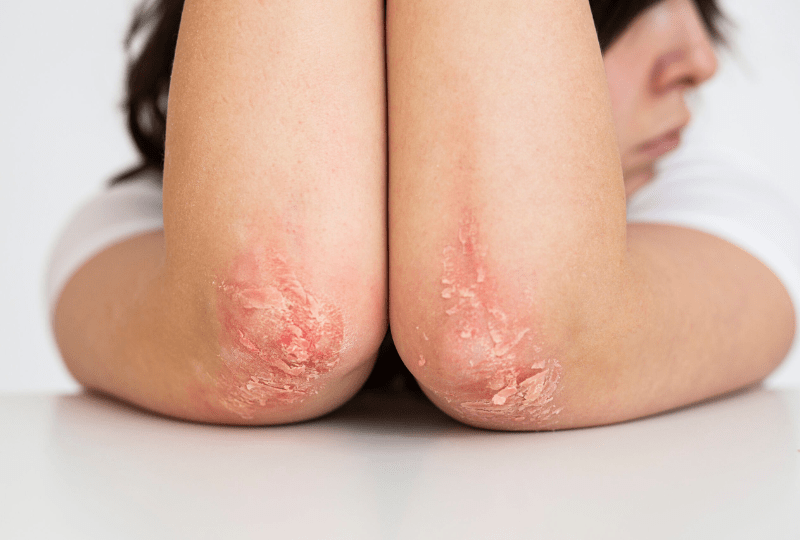
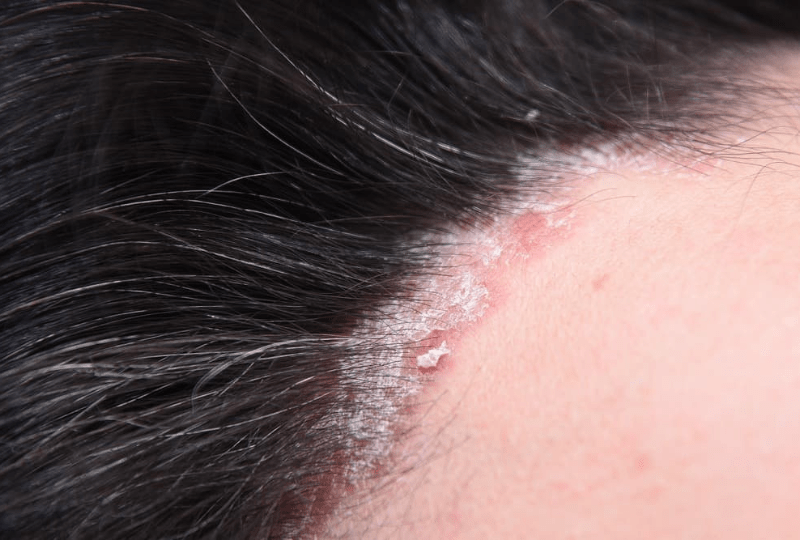
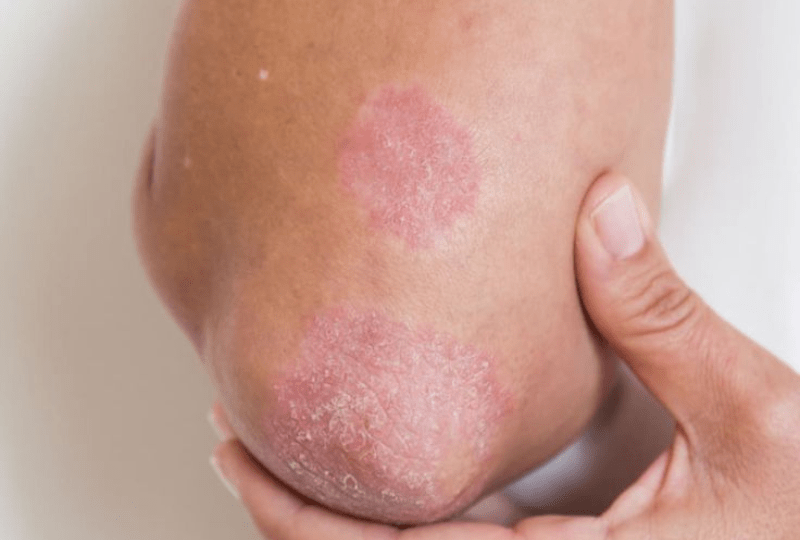
Plaque psoriasis, or psoriasis vulgaris, is the most common form of psoriasis. An estimated 80 percent Trusted Source of people with psoriasis have plaque psoriasis. It’s characterized by thick red patches of skin, often with a silver or white scaly layer.

These patches often appear on the:

  • Elbows
  • Knees
  • Lower back
  • Scalp

Patches are usually 1 to 10 centimeters wide, but can also be larger and cover more of the body. If you scratch at the scales, the symptoms will often get worse.
Guttate psoriasis

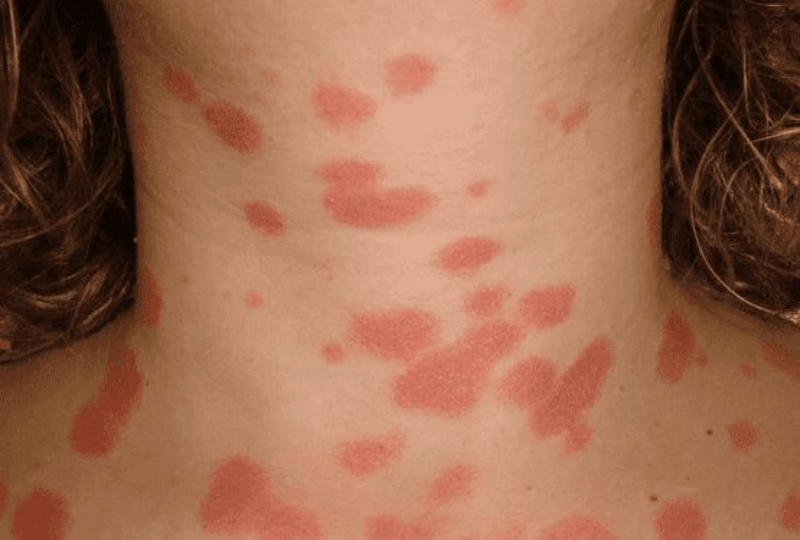
Guttate psoriasis appears in small red spots on the skin. It’s the second most common type, affecting 10 percent of people with psoriasis. Most of the time it starts during childhood or young adulthood.

The spots are small, separate, and drop-shaped. They often appear on the torso and limbs, but they can also appear on your face and scalp. Spots are usually not as thick as plaque psoriasis, but they can develop into plaque psoriasis over time.

Guttate psoriasis happens after certain triggers. These triggers include:

  • Strep throat
  • Stress
  • Skin injury
  • Infection
  • Medication

Flexural or inverse psoriasis

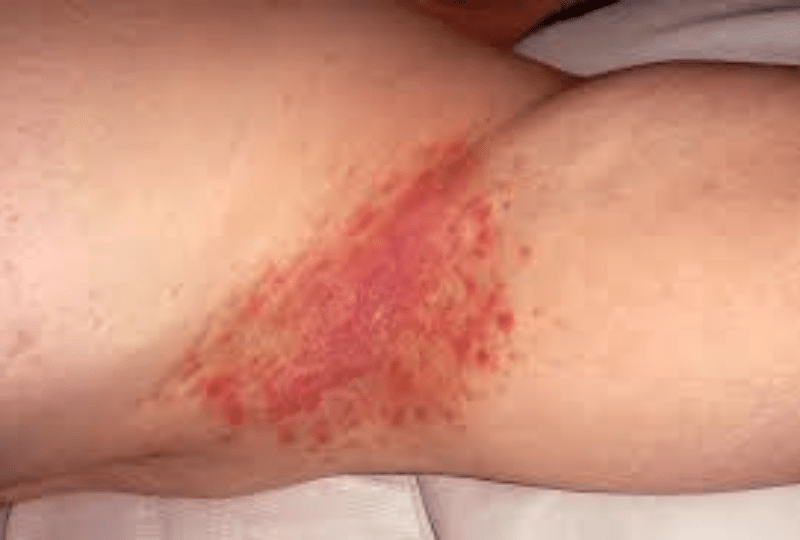
Flexural or inverse psoriasis often appears in skinfolds, such as under the breasts or in the armpits or groin area. This type of psoriasis is red and often shiny and smooth.

The sweat and moisture from skinfolds keeps this form of psoriasis from shedding skin scales. Sometimes it’s misdiagnosed as a fungal or bacterial infection. The skin-on-skin contact can make inverse psoriasis very uncomfortable.

Most people with inverse psoriasis also have a different form of psoriasis in other places on the body.

Pustular psoriasis

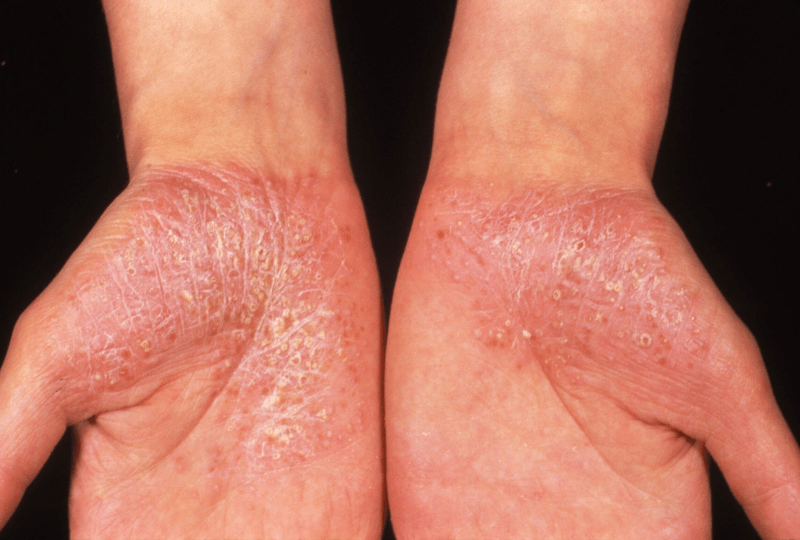
Pustular psoriasis is a severe form of psoriasis. It develops fast in the form of many white pustules surrounded by red skin.Pustular psoriasis may affect isolated areas of the body, like the hands and feet, or cover most of the skin’s surface. These pustules can also join together and form scaling. Some people experience cyclic periods of pustules and remission. While the pus is noninfectious, this condition can cause flu-like symptoms such as:

  1. Fever
  2. Chills
  3. Rapid pulse
  4. Muscle Weakness
  5. Loss of appetite
There are three kinds of pustular psoriasis
  • Von Zumbusch
  • Palmoplantar pustulosis (PPP)
  • Acropustulosis

Each of the three forms of pustular psoriasis can have different symptoms and severity

Psoriatic arthritis

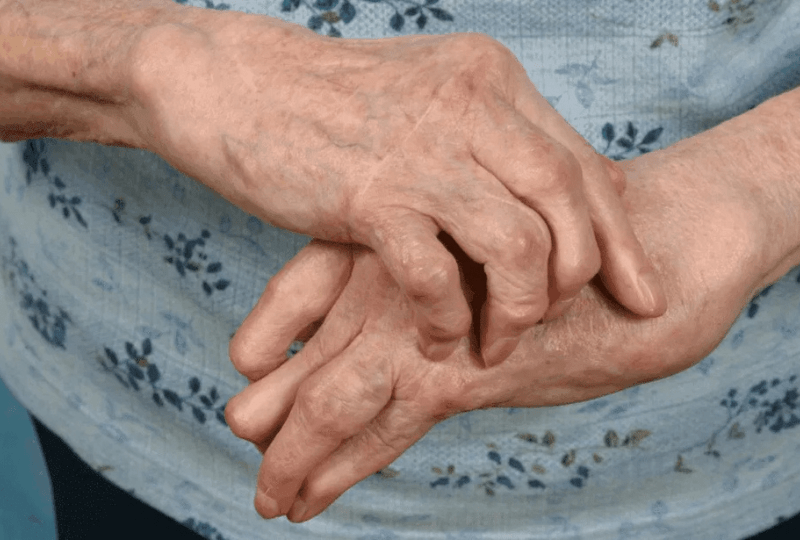
Psoriatic arthritis (PsA) is a painful and physically limiting condition that affects between 10 and 30 percent of people with psoriasis. There are five types of PsA with varying symptoms. There is also no cure for this type of psoriasis.

Because psoriasis is an autoimmune disease, it can trigger the body to attack the joints and the skin. It can affect many joints and often becomes quite severe in the hands. Skin symptoms usually appear before joint symptoms.

Erythrodermic psoriasis

Erythrodermic psoriasis, or exfoliative psoriasis, is a rare psoriasis type that looks like severe burns. The condition is serious, and can be a medical emergency. You may need hospitalization because your body may not be able to control body temperature.

This form of psoriasis is widespread, red, and scaly. It may cover large portions of the body. Exfoliation often occurs in larger pieces than the small scales typical to most psoriasis.

Erythrodermic psoriasis can develop from:

  • Pustular psoriasis
  • Widespread, poorly controlled plaque psoriasis
  • A bad sunburn
  • Infection
  • Alcoholism
  • Significant stress
  • Abrupt discontinuation of a systemic psoriasis medicine


Nail psoriasis

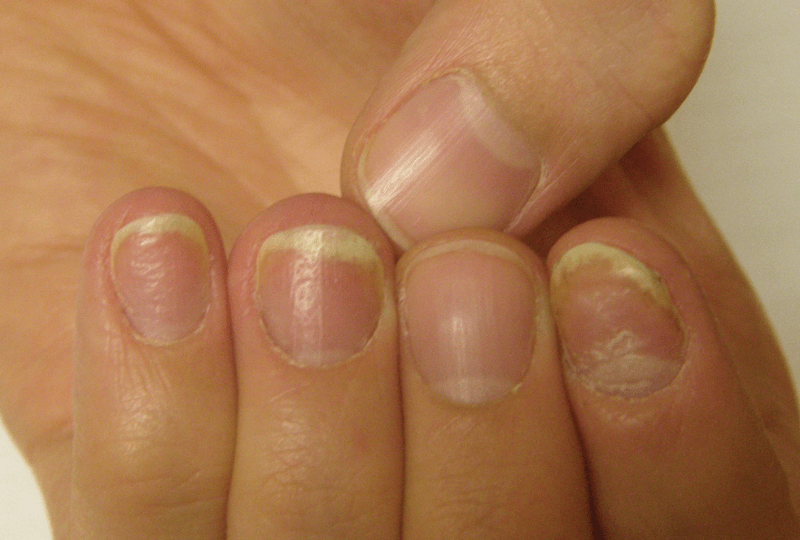
Although not an official type of psoriasis, nail psoriasis is a manifestation of psoriasis. The condition can often be confused with fungal infections and other infections of the nail.

Nail psoriasis can cause:

  • Nail pitting
  • Grooves
  • Discoloration
  • Loosening or crumbling of the nail
  • Thickened skin under the nail
  • Colored patches or spots under the nail

Sometimes the nail can even crumble and fall off. There is no cure for psoriatic nails, but some treatments may improve the health and appearance of nails.

Scalp psoriasis

Scalp psoriasis is common in people with plaque psoriasis. For some people, it may cause severe dandruff. For others, it can be painful, itchy, and very noticeable at the hairline. Scalp psoriasis can extend to the neck, face, and ears in one large patch or many smaller patches.

In some cases, scalp psoriasis can complicate regular hair hygiene. Excessive scratching can cause hair loss and scalp infections. The condition may also cause feelings of social stress.

Expert Consultation & Appointment Booking

Book a Doctor Consultation

Connect directly with our consulting doctor for personalized treatment guidance and appointment booking.

SISAIROSP is a trusted Ayurvedic solution crafted with natural herbs to help manage psoriasis and promote healthy, nourished skin naturally.

Get In Touch

Phone Number

+91-8319558787

E-mail

bd@sisairosp.com

Address

Jhawar Chemicals Private Limited, 121 Industrial Area - Harda 461331, India

Copyright © 2026 | Website Design By Discover Websoft

Quick Links

Home

Products

About

Ingredients

How It Works

How To Use

Blog

SISAIROSP is a trusted Ayurvedic solution crafted with natural herbs to help manage psoriasis and promote healthy, nourished skin naturally.

Get In Touch

Phone Number

+91-8319558787

E-mail

bd@sisairosp.com

Address

Jhawar Chemicals Private Limited, 121 Industrial Area - Harda 461331, India

Copyright © 2026 | Website Design By Discover Websoft

Call Now Button