

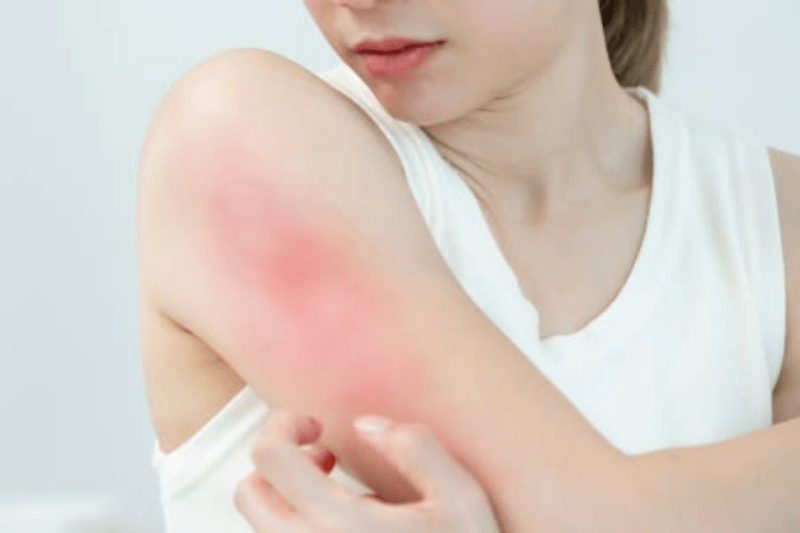
Psoriasis is a chronic skin condition that affects millions of people worldwide. It is known for causing red, itchy, and scaly patches on the skin, which can sometimes be painful and uncomfortable. While psoriasis is not contagious, it can significantly impact a person’s physical appearance and emotional well-being. Psoriasis is an autoimmune skin disorder in which the immune system speeds up the life cycle of skin cells. Normally, skin cells grow and shed over a month, but in psoriasis, this process happens within a few days. As a result, skin cells build up on the surface, forming thick, scaly patches known as plaques. These patches are commonly found on: ⚠️ Causes of Psoriasis The exact cause of psoriasis is still unknown, but it is believed to be a combination of genetic and environmental factors. The immune system plays a major role, where certain white blood cells mistakenly attack healthy skin cells. Common Causes Include: 🔍 Symptoms of Psoriasis Psoriasis symptoms can vary from mild to severe depending on the type and condition. Common Symptoms: In severe cases, psoriasis can also be associated with joint pain, known as psoriatic arthritis. Common Triggers Certain factors can worsen psoriasis or cause flare-ups: Avoiding these triggers can help manage the condition effectively. 🌱 Natural Treatment for Psoriasis Although psoriasis has no permanent cure, its symptoms can be controlled with proper care and treatment. Many people prefer natural and Ayurvedic treatments as they are gentle and have fewer side effects.
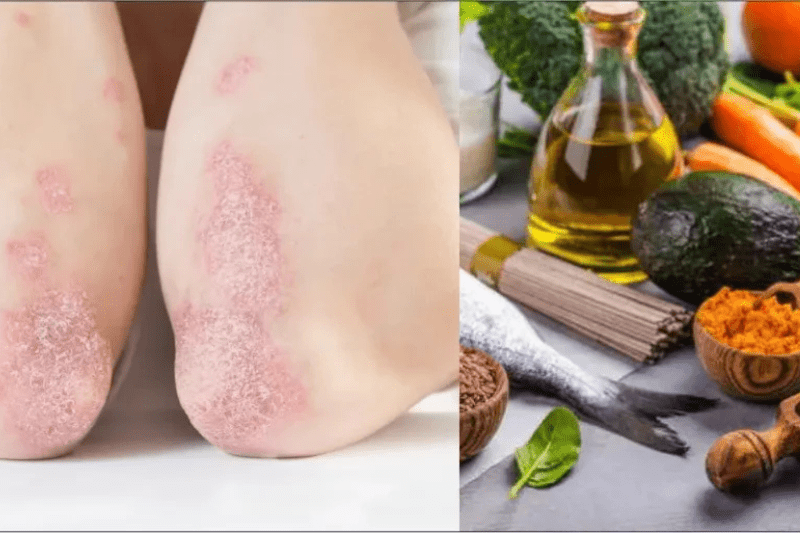
Best Diet for Psoriasis Patients
Diet plays a crucial role in managing psoriasis. While it may not cure the condition completely, the right food choices can help reduce inflammation, control flare-ups, and improve overall skin health. A balanced and nutritious diet supports the immune system and helps the body heal naturally. 🥗 Why Diet Matters in Psoriasis Psoriasis is linked to inflammation in the body. Certain foods can trigger or worsen this inflammation, while others help calm it down. By following a proper diet, patients can reduce symptoms like redness, itching, and scaling. ✅ Foods to Include in Your Diet 🥦 1. Fresh Fruits and Vegetables Rich in antioxidants, vitamins, and minerals, fruits and vegetables help fight inflammation and promote healthy skin. Best options: 🌾 2. Whole Grains Whole grains provide fiber and help maintain digestive health, which is important for reducing inflammation. Include: 🥜 3. Healthy Fats Good fats help reduce inflammation and keep skin hydrated. Sources: 🥛 4. High-Protein Vegetarian Diet Protein is essential for skin repair and regeneration. Include: 💧 5. Plenty of Water Staying hydrated helps flush out toxins and keeps the skin moisturized from within.
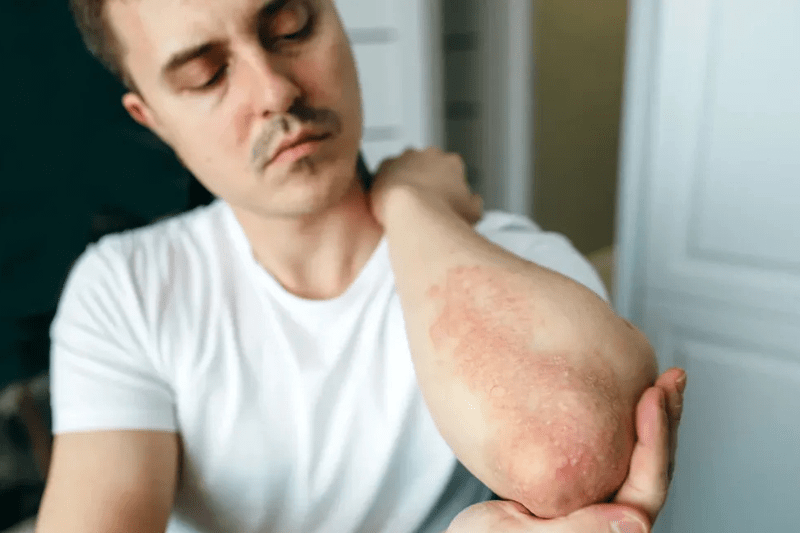
How Long Does Psoriasis Treatment Take?
Psoriasis is a chronic skin condition that requires patience and consistent care. Many people expect quick results, but psoriasis treatment is a gradual process. The duration of treatment depends on the severity of the condition, the type of treatment used, and how well the patient follows the prescribed routine. ⏳ How Long Does Treatment Usually Take? There is no fixed timeline for psoriasis treatment, but in most cases: With regular and consistent treatment, symptoms like itching, redness, and scaling gradually reduce over time. 🔍 Factors That Affect Treatment Time ⚡ 1. Severity of Psoriasis Mild cases respond faster, while moderate to severe cases take longer to improve. 🌱 2. Type of Treatment 🧴 3. Consistency of Application Regular use of prescribed medication or oils is essential for visible improvement. 🧘 4. Lifestyle Factors Stress, diet, and sleep patterns significantly affect healing speed. 🌦️ 5. Triggers and Environment Exposure to cold weather, infections, or skin injuries can delay recovery. 🌿 Role of Natural Treatment Natural and Ayurvedic treatments focus on healing the skin from within. Herbal formulations help reduce inflammation, slow down excessive skin cell growth, and restore skin balance gradually. Products like SISAIROSP are designed to support long-term skin health by soothing irritation and improving skin texture over time. 🧴 Why Patience is Important Psoriasis is not a condition that disappears overnight. Even when symptoms improve, maintenance care is important to prevent recurrence. Stopping treatment too early can lead to flare-ups again. 💡 Tips for Faster and Better Results 🏁 Conclusion Psoriasis treatment takes time, but with the right approach and consistency, significant improvement is possible within a few weeks to months. The key is patience, discipline, and proper care. Long-term management is more important than quick fixes — and a balanced lifestyle plays a major role in achieving healthy skin.